


We are in what is known as the digital era. We are a technical generation that surrounds ourselves with devices. This is something we have been doing for a long time. However, the pandemic has only heightened the need for more technology and the use of more devices. Due to the pandemic, many areas in life that we thought wouldn’t need a lot of technology had to adapt and become dependent on it quickly. While some of these areas have gone back to ‘normal’, others have shaped into what is known as the ‘new normal or, as Fareed Zakaria said in his book Ten Lessons for a Post-Pandemic World, it “is going to be, in many aspects, a sped-up version of the world we knew.”
Distance Learning
Credit: Wikimedia Commons
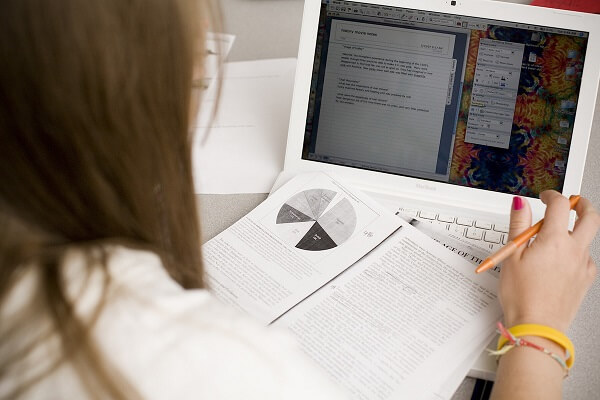
One area of life that changed was Distance learning. All schools were forced to close and change to remote learning. While some may think this is not a huge deal due to the fact that there were already such things as home school and remote education. However, for those students and teachers used to learning and teaching in person, to have to change and adapt over the space of one weekend was a huge challenge. New software training was needed, and those students without devices and good internet were unable to participate. Distance learning was one of the changes that did not carry on past the pandemic. The moment it was safe to return to schools and in-person learning, it was done. Having the experience of distance learning is good; however, most teachers agreed that in person was better and that they were glad to be back in person.
Health sector
Another area that had to go remote and is slowly working its way back to being fully in person is the health sector. Due to many hospitals being overrun with covid cases and the vast number of doctors getting ill, they had to stop in-person appointments. This was a considerable change and put a lot of pressure on doctors and patients to have strong internet connections and signals. One of the important tools doctors use to help diagnose an issue is their eyes and sense of touch. Being remote stops those two senses. They had to rely on a description or a strong enough internet connection to see through video calls or pictures being sent back and forth.
This made doctors’ jobs a lot harder. It also puts a lot of pressure on their devices and internet connection. If they lost connection or missed an appointment, they could miss diagnose a patient or miss a diagnosis altogether. Due to this, it led to a lot of people having a lot of other underlining issues other than covid that were missed. This was due to the inability for an appointment and the struggle of diagnosis virtually. Thankfully, as time goes on, more and more appointments have gone back to in-person. While virtual appointments are still an option, if you request an in-person appointment, you are able to have one.
Many areas changed to remote and have stayed that way even after the pandemic ended
Working from home
One of which is working from home. A lot of businesses/companies learnt through the pandemic that their jobs and roles could be completed remotely. It was worked out that “what employees would have expected to take a year to implement at their organisations took an average of 11 days.” said EHL insights. Many organisations were concerned at the start of all the lockdowns that their businesses would have to close. They would lose a lot of money and maybe even go bankrupt. The ability to change the roles to remote was a huge lifesaver. New software such as Microsoft teams and zoom was used to keep contact between workers and replace the usual meetings that would happen face to face. Those jobs where people were working in an office were supplied with the appliances they needed (desktop/laptop). They were required to do whatever they usually would in the office from their home.

Once the pandemic ended, some bigger businesses decided to have their employees come back together and come back into the office or workspace they were initially in. At the same time, others prefer to work from home. Wiser Websites are one of the many businesses that decided to keep working from home.
“82% of employers will allow employees to work remotely some of the time, and 47% say that they will do it all the time. The future of work, or at least where it will be done, will be highly virtual.”
Working from home brings a lot of benefits to both businesses and personal life. It allows people to spend more time with family and save money commuting in and out of work. From the technology side, it has led to many people upgrading their internet deals because they have more people at home and are using the internet for video calls and software throughout the day. They may also have multiple people using it at the same time. This has led to a rise in upgrades, increasing the amount of money those internet providers get. Due to the growing demand, internet providers have had to adapt and improve to ensure their coverage can keep up with the demand. These improvements have been possible with the extra money they have been making, allowing them to get their coverage stronger and better for those using it.
Online shopping/takeaways
Credit: Wikimedia Commons
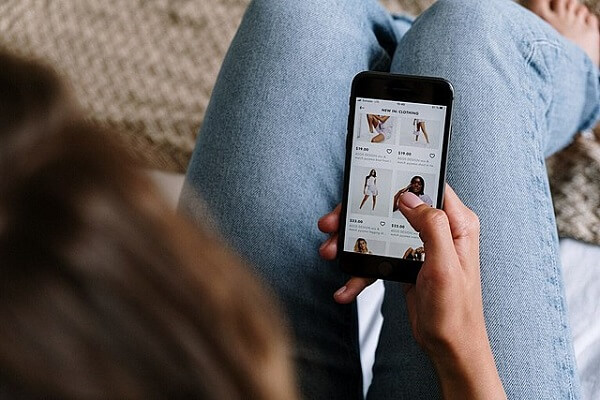
One area of life that was already virtual was online ordering. Online delivery services thrived during the pandemic, whether it was ordering clothes or food. Due to all none, essential shops being closed and restaurants being closed, people went to ordering online for most products. Amazon orders skyrocketed by over 220% in 2021. This area has not yet returned to the ‘normal’ before the pandemic. Over the last few months, there has been an increase in shops closing, highstreets have become barer while online clothing and product stores have been thriving. This is true for restaurants, too. More and more people are using apps such as Deliveroo and Just eat to collect their takeaways rather than deciding to eat out.
Social interactions
The final area we will be looking at is the social interactions between people. Due to people not being allowed outside or to gather for social interaction, we had to look elsewhere to get that interaction with other people. This is where skype, zoom, WhatsApp, Snapchat and Facebook messenger was utilised. It became the new ‘normal’ to video call or text as the only form of communication with anyone outside your household. Because it has become the new ‘normal’, it has been a struggle for many people to break the habit. While we are now allowed to meet up and socialise, many still struggle and choose to video call instead of meeting in person. While this is great for phone companies and all those video calling software, it has a significant effect on the individual and their ability to socialise and the anxiety surrounding it.
It is evident that the pandemic significantly impacted our lives in a large variety of ways. It has increased our need and use of technology incredibly quickly, making us more dependent on it. We were already known as being in the digital era, and that has only evolved over the past two years. While trying to find our new ‘normal’ for life after the pandemic, it is clear things won’t go back to how it was. However, technology will be very prominent in coming to terms with and moving on from the pandemic.


