


6 Positive Impacts of Technology on Daily Life in 2025
Technology is starting to get a bad rap these days, from mis-use of social media to deep fakes, Ai taking our jobs to cyber attacks in ransomware, often the media focuses on the negatives. In 2025, technology is more deeply embedded in our daily lives than ever before. But we shouldn’t forget that from the moment we wake up to the second we fall asleep, tech helps us live more efficiently, communicate more easily, and even take better care of our health. Beyond convenience, technology is also creating new opportunities, bridging gaps, and empowering people in remarkable ways.
Here are six of the most powerful ways technology continues to positively shape everyday life in 2025.
1. Smarter Access to Information
Technology has transformed how we learn and access information. In the past, finding answers required time, effort, and often a physical library. Today, AI-powered search tools, voice assistants, and platforms like YouTube, Google Scholar, and ChatGPT offer instant insights on any topic.
With just a phone or laptop, people of all ages can take online courses, learn new skills, and upskill themselves in areas like coding, design, or finance. Mobile learning apps, digital libraries, and virtual tutors have made knowledge more accessible than ever—no matter where you are in the world.
2. Remote Work and Global Flexibility
Since the early 2020s, remote work has evolved from a temporary solution into a global shift in how we work. In 2025, many companies operate with hybrid or fully remote teams, giving employees more flexibility, autonomy, and work-life balance.
Thanks to tools like Slack, Zoom, Notion, and cloud storage, collaboration can happen in real time across time zones. Remote work has also opened doors for people in rural or underserved communities, allowing talent from anywhere to work with businesses worldwide.
3. Seamless Global Communication
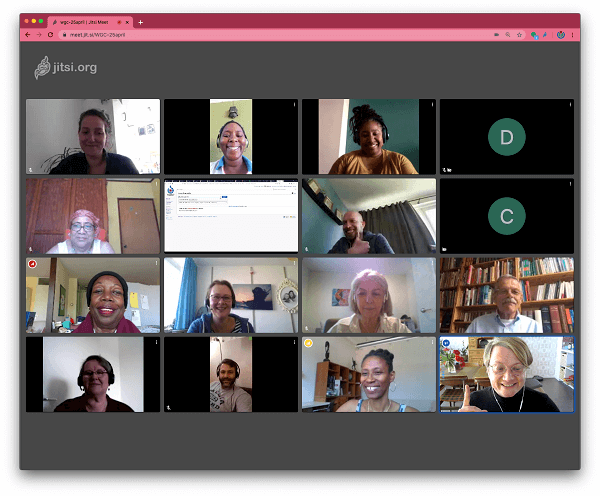
Communication has become not just faster but smarter. With apps like WhatsApp, Telegram, Zoom, and Microsoft Teams, people can chat, call, and collaborate from anywhere—instantly. AI-powered translation tools now allow users to connect across language barriers, making international communication more inclusive than ever.
Even beyond work, we’re staying closer to friends and family through social video calls, group chats, and real-time updates on social media. In emergencies or times of isolation, these tools offer more than connection—they offer community and support.

4. A New Kind of Digital Identity
Platforms like YouTube, Instagram, TikTok, and Threads have evolved into global stages for creativity and entrepreneurship. People share daily routines, business insights, art, tutorials, and entertainment—often turning their digital presence into full-time careers.
As we enter the era of AI-generated content and the creator economy, anyone with a smartphone can build an audience, start a brand, or launch a product. Technology has democratised influence and given people the tools to shape their own stories—and income.
5. Smarter Shopping and Financial Convenience
From groceries to furniture to investing, shopping has become easier and smarter. You can now scan, order, and pay from your phone, track your deliveries in real-time, and get AI-powered product recommendations based on your habits.
Even in-store, checkout queues have been replaced by tap-to-pay, mobile wallets, and cashierless checkouts. Plus, online banking and budgeting apps help users manage finances on the go—making financial literacy more accessible and less intimidating.

6. Proactive Health & Wellbeing Tracking
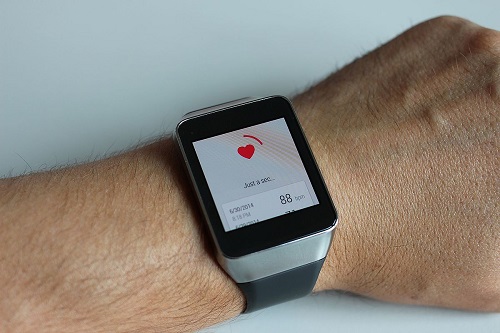
Wearables like Apple Watch, Fitbit, and WHOOP are no longer just step counters—they’re full-body health trackers. They monitor heart rate, stress levels, sleep quality, and even early signs of illness. In 2025, many users receive alerts about health risks before they become serious issues.
With health data synced to digital apps, users can share data with doctors, monitor fitness goals, and receive custom wellness recommendations. Mental health support has also gone digital, with AI therapy apps, mindfulness trackers, and virtual therapists improving daily wellbeing.
Final Thoughts
While it’s easy to take our devices and platforms for granted, it’s important to remember how much technology continues to empower us. It improves access, enhances productivity, strengthens relationships, and even helps us take better care of ourselves.
In 2025 and beyond, the key to getting the most out of technology is using it intentionally and mindfully—choosing tools that help us grow, connect, and thrive.
At Wiser Websites, we help businesses and creators use technology to build smarter, more engaging digital experiences. Want to harness tech to improve your business or brand?
Let’s create something innovative together.


